Orthopedics focuses on diagnosing, treating, and preventing issues with the musculoskeletal system, which includes your bones, joints, muscles, tendons, and ligaments. The aim is to restore your body’s function and mobility, relieve pain, and enhance your quality of life.
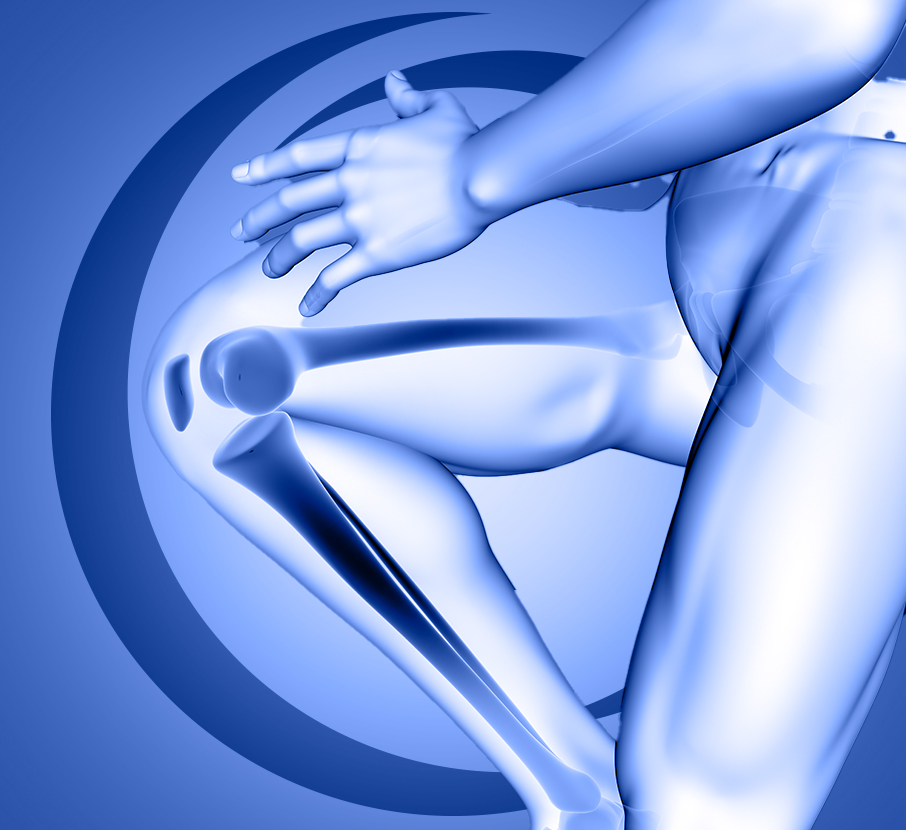
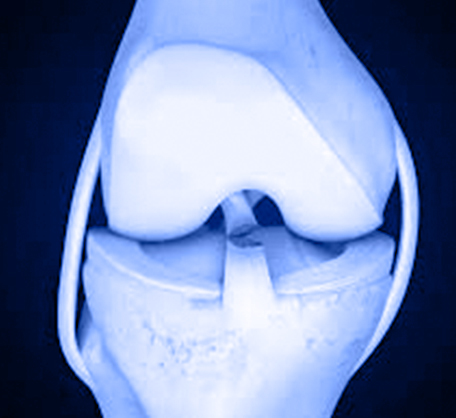
Knee arthroscopy is a minimally invasive surgical procedure used to diagnose and treat problems within the knee joint. It involves making small incisions and inserting a tiny camera (arthroscope) and specialized instruments into the joint. The camera provides a clear view of the inside of the knee, allowing the surgeon to identify and address issues such as torn cartilage or ligaments. The benefits of arthroscopy include reduced recovery time and less postoperative pain compared to traditional open surgery.
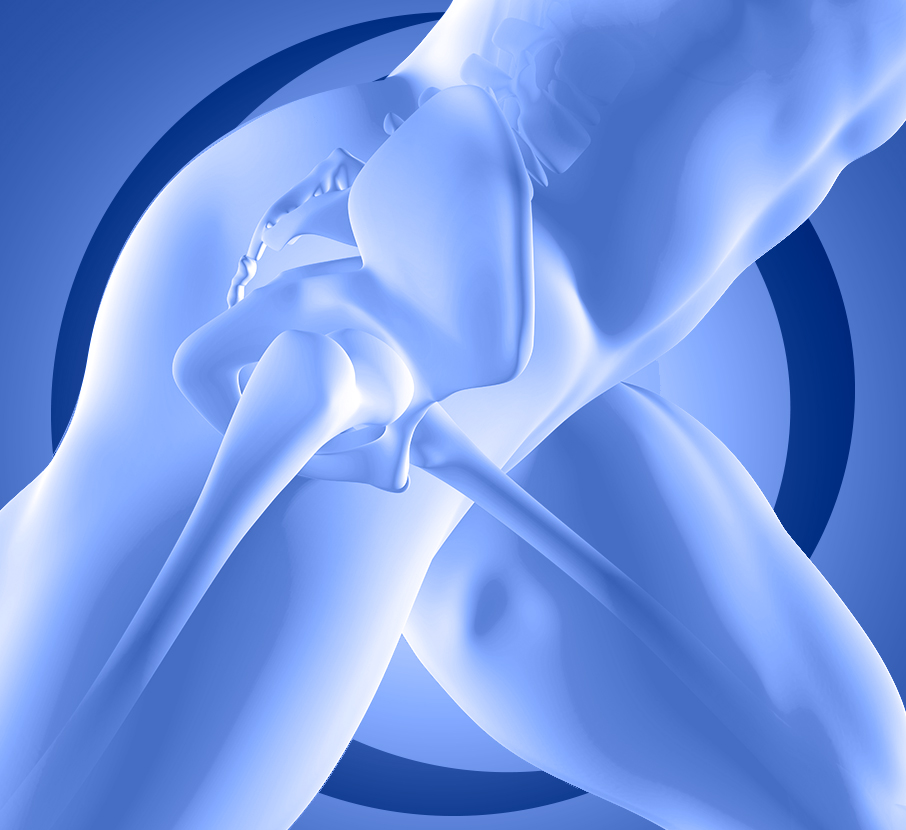
Hip arthroscopy is a minimally invasive surgical procedure used to diagnose and treat conditions within the hip joint. During the procedure, small incisions are made, and a tiny camera (arthroscope) along with specialized instruments are inserted into the joint. The camera provides a clear view of the hip's interior, allowing the surgeon to address issues such as labral tears, cartilage damage, or impingements. The benefits of hip arthroscopy include shorter recovery times and less postoperative discomfort compared to traditional open surgery.
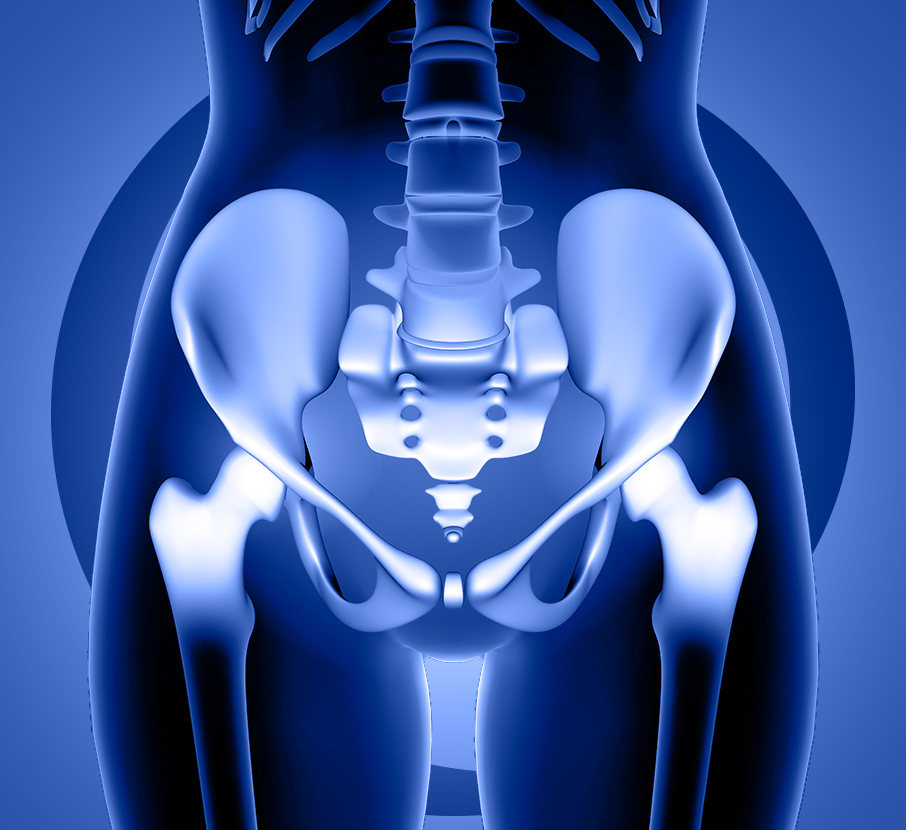
Hip replacement surgery is a procedure to replace a damaged or worn-out hip joint with an artificial implant. The surgery involves removing the damaged bone and cartilage from the hip joint and replacing it with a prosthetic device made of metal, plastic, or ceramic. This procedure aims to relieve pain, restore function, and improve quality of life for patients with severe hip arthritis or other joint issues. The surgery can be performed through traditional open techniques or minimally invasive approaches, with the goal of reducing pain and improving mobility.
Knee replacement surgery, also known as knee arthroplasty, is a procedure to replace a damaged or worn-out knee joint with an artificial implant. The surgery involves removing the damaged bone and cartilage from the knee and replacing them with prosthetic components made of metal, plastic, or ceramic. The procedure aims to relieve pain, restore function, and improve quality of life for patients with severe knee arthritis or other joint issues. Knee replacement can be performed as a total knee replacement or a partial knee replacement, depending on the extent of damage.
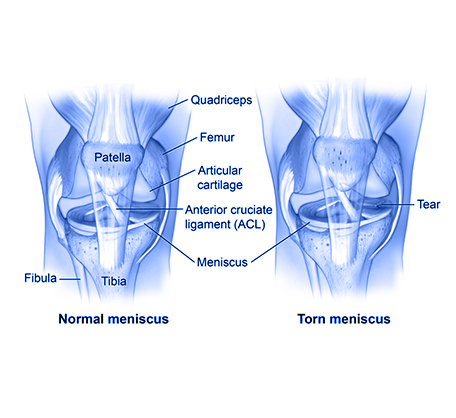
Meniscus surgery is a procedure to treat tears or damage in the meniscus, which is a cartilage in the knee that helps cushion and stabilize the joint. The surgery can be done through an arthroscopic approach, where small incisions are made, and a tiny camera and instruments are used to repair or remove the damaged part of the meniscus. This surgery aims to relieve pain, restore knee function, and prevent further joint damage.
ACL surgery is a procedure to repair or reconstruct the anterior cruciate ligament (ACL) in the knee. This surgery is usually performed arthroscopically, with small incisions and specialized instruments. The surgeon typically uses a graft, often taken from the patient's own tissue or a donor, to replace the damaged ACL. The goal of the surgery is to restore stability and function to the knee, allowing the patient to return to normal activities and reduce the risk of future knee problems.
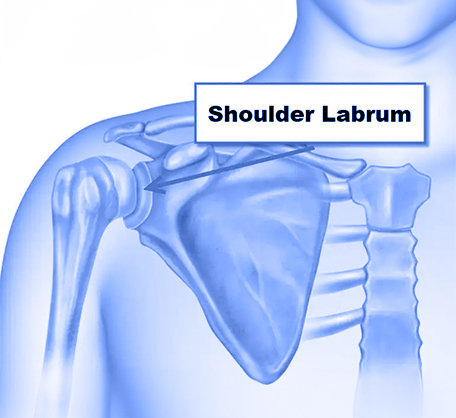
Labrum surgery is a procedure to repair or remove damaged cartilage in the shoulder or hip known as the labrum. The labrum acts as a cushion and stabilizer for the joint. The surgery is usually performed arthroscopically, involving small incisions and the use of a tiny camera and instruments. The goal is to restore joint stability, reduce pain, and improve function by repairing tears or removing damaged tissue.
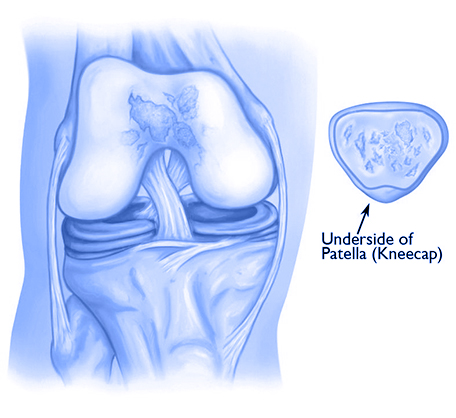
PFA surgery, or Patellofemoral Arthroplasty, is a procedure to address issues with the patellofemoral joint, which is where the kneecap (patella) meets the thighbone (femur). This surgery is usually performed to relieve pain and improve function in patients with severe arthritis or damage in this joint. It often involves resurfacing the joint with prosthetic components or realigning the patella. The goal is to reduce pain and restore knee movement.